
News
Historians write for the newspapers as well as for each other. These are articles on the Second Bulgarian Empire, each with a short summary of our own, linked to the rulers and battles it discusses. The originals are in Bulgarian, on the paper’s site.
35 articles by Prof. Plamen Pavlov
Prof. Plamen Pavlov, Trud
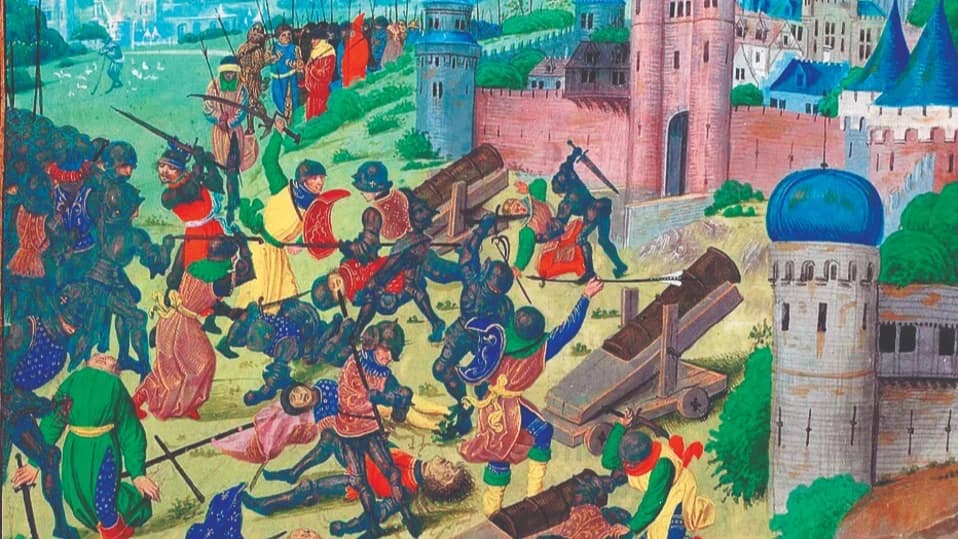
The Battle of Nicopolis (25 September 1396) and the fate of Tsar Ivan Sratsimir
Битката при Никопол (25 септември 1396 г.) и съдбата на цар Иван Срацимир
Pavlov follows King Sigismund's crusade from Buda to the rout at Nicopolis and what it meant for the Vidin tsardom. His main argument is that Ivan Sratsimir was not taken captive straight after the battle but during a later campaign of Bayezid against Hungary in 1397/1398, the date given by the Bulgarian Anonymous Chronicle and the Serbian annals.
Prof. Plamen Pavlov, Trud
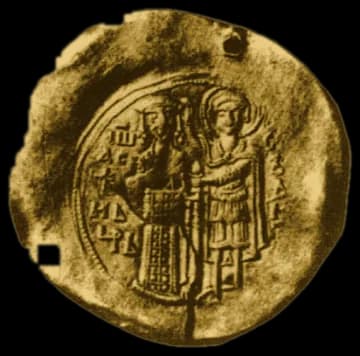
The historic Bulgarian north-west, 12th–15th centuries
Българският исторически Северозапад през XII - XV в.
A survey of the long contest between Bulgaria, Hungary and Serbia for Belgrade, Braničevo and the Morava valley, from Kaloyan and Ivan Asen II to Mihail III Shishman and Konstantin II Asen's Vidin tsardom. It closes with the little-known Bulgarian fortresses and monasteries of today's eastern Serbia.
Prof. Plamen Pavlov, Trud
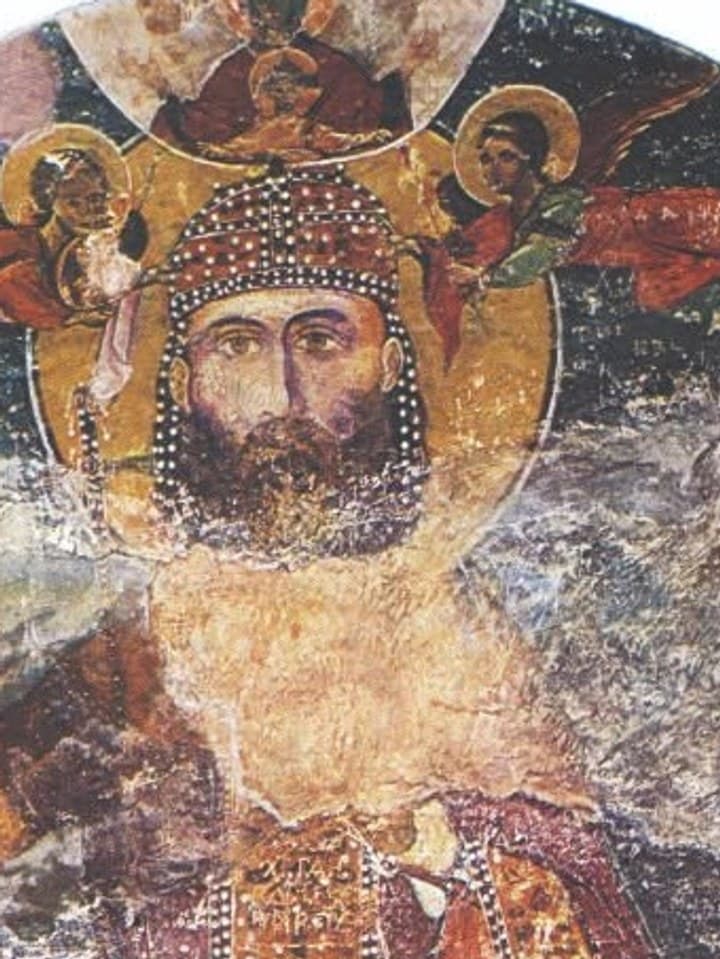
The noblewomen of the Bulgarian Morava valley in the 14th century
Господарките на българското Поморавие през XIV век
On the donor portraits in the churches of Staničenje and Donja Kamenica: a boyar family related to the Shishmanids, the young Areta with her unusual name, and a despotissa some identify as the young Anna Neda. Their dress and inscriptions show how closely the Vidin region was tied to Hungary and the Catholic world.
Prof. Plamen Pavlov, Trud
Noble ladies of medieval Dobrudzha and the Black Sea coast in the 14th century
Знатни „дами“ на средновековна Добруджа и Черноморието през XIV в.
Pavlov looks at the mysterious Sevina of the Emine monastery charter, the despotissa Keratsa Petritsa (Ivan Alexander's mother, called a Catholic in a papal letter) and the women of Despot Dobrotitsa's family. He suggests Ivan Alexander spent his youth in Varna and the Karvuna land, and presents new finds from Kaliakra and Drastar.
Prof. Plamen Pavlov, Trud
More on the women rulers of Macedonia and present-day Albania, 14th–15th centuries
Още за владетелките в Македония и днешна Албания през XIV-XV в.
From Konstantin Dragaš and his Trebizond-born wife Eudokia to the principality of Valona under Despot Ivan Asen Komnin and his heirs Alexander, Comita and Ruzhina. It traces how Ivan Alexander's nephews and nieces held Valona, Berat and Budva until the Ottoman conquest of 1417.
Prof. Plamen Pavlov, Trud
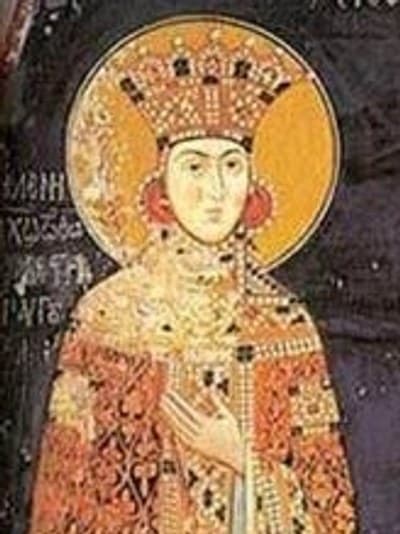
The women who ruled the Bulgarians of Macedonia in the 14th century
Господарките на българите в Македония през XIV век
Portraits of noblewomen in Macedonia under Serbian rule and after it: Despotissa Marina, daughter of Tsar Smilets; Tsaritsa Elena at Serres; 'Tsaritsa' Eudokia; the wives of King Vukašin and Prince Marko. Pavlov shows how Serbian lords married into the local Bulgarian nobility and how Bulgarian royal blood kept conferring legitimacy.
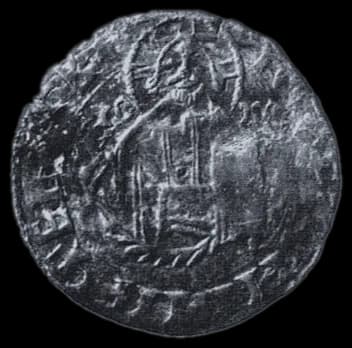
Prof. Plamen Pavlov, Trud
'Sratsimir, Tsar of the Bulgarians': a riddle in the memoirs of Kiro Tuleshkov
„Срацимир цар български“ - една загадка в спомените на Киро Тулешков
The Revival-era revolutionary Kiro Tuleshkov recalled seeing a stone inscription in Dobrudzha that began 'Sratsimir, Tsar of the Bulgarians'. Pavlov weighs whether it named Ivan Sratsimir of Vidin, acknowledged as senior by the Dobrudzhan despot Ivanko, or more likely Despot Sratsimir, Ivan Alexander's father, and urges a search of Romanian museums for the stone.
Prof. Plamen Pavlov, Trud
St Patriarch Joachim I: from Ivanovo to the Patriarchate of Tarnovo
Св. патриарх Йоаким I - от Иваново до Търновската патриаршия
The life of St Joachim I, from Athonite monk and founder of the Ivanovo rock monasteries on the Rusenski Lom to the patriarch under whom the Tarnovo Patriarchate was recognised in 1235. Pavlov stresses his influence on Ivan Asen II, his role as regent for Koloman I and his part in the canonisation of St Sava of Serbia.
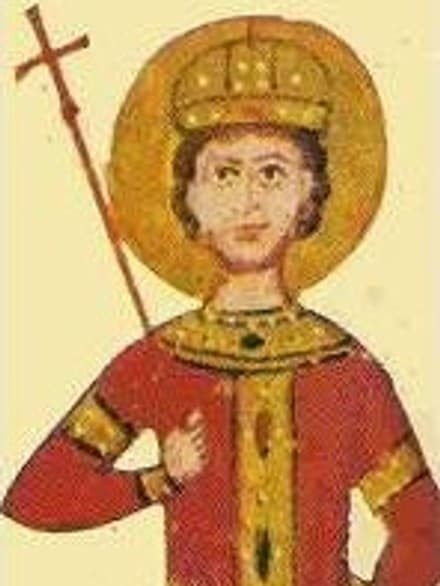
Prof. Plamen Pavlov, Trud
St Patriarch Evtimiy: the 'good shepherd' in a time of trial
Св. патриарх Евтимий - „добрият пастир“ във време на тежки изпитания
A biographical sketch of Evtimiy of Tarnovo: pupil of Theodosius, scholar on Athos and at the Holy Trinity monastery, patriarch from 1375 and the man who held Tarnovo together during the 1393 siege. Pavlov tells of his protest against the massacre of the Tarnovo boyars, his exile and the debate over his relics at Bachkovo.
Prof. Plamen Pavlov, Trud
The Elisavetgrad Gospel and the cultural reach of medieval Bulgaria
Елисаветградското Евангелие и културното излъчване на средновековна България
The story of the Elisavetgrad Gospel, a Moldavian copy of Tsar Ivan Alexander's Tetraevangelion (the 'London Gospels'), lost after 1914 and rediscovered in Moscow in 1963. Pavlov follows the Tarnovo original through Moldavia and Mount Athos to the British Library, and criticises a Russian facsimile edition that leaves out its Bulgarian origin.
Prof. Plamen Pavlov, Trud
A French princess who became a Bulgarian tsaritsa in the 13th century
За една френска принцеса, българска царица през XIII век
The chronicler Philippe Mouskes wrote that the second daughter of the Latin emperor Pierre de Courtenay married the Bulgarian 'King John'. Pavlov defends the report and argues that it means Elisabeth de Courtenay, married to Tsar Boril around 1217 and sent home when Ivan Asen II overthrew him.
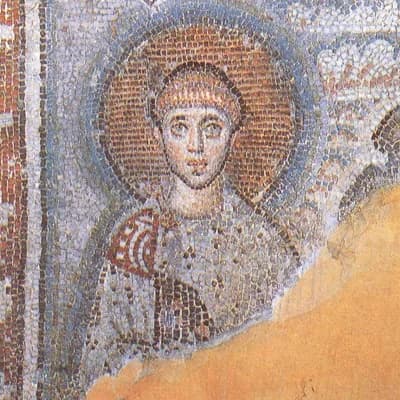
Prof. Plamen Pavlov, Trud
The bloody dramas of Constantinople and the uprising of Peter and Asen
Кървавите драми в Константинопол и въстанието на Петър и Асен
Pavlov describes the collapse of the Byzantine elite in the 1180s, from the adventurer Andronikos I Komnenos and the murder of Alexios II to the fall of Thessalonica and Andronikos's lynching. He argues that this turmoil, well known to Bulgarians in Byzantine service, prepared the ground for the rising of Peter and Asen and for the claim that St Demetrius had abandoned the Romans.
Prof. Plamen Pavlov, Trud
The liberator brothers Peter and Asen
Братята освободители Петър и Асен
Marking the 840th anniversary, Pavlov reminds readers that the leading figure of the rising until 1193–1194 was the elder brother Theodore-Peter rather than Asen, and that it broke out in early 1186, not on St Demetrius's Day 1185. He explains the role of the St Demetrius icon, the alliance with the Cumans and the aim of restoring Bulgaria 'as it once was'.
Prof. Plamen Pavlov, Trud
Under Tsar Kaloyan 'the Bulgarian tsardom grew very firm and strong'
При управлението на цар Калоян „... Българското царство стана много крепко и силно...“
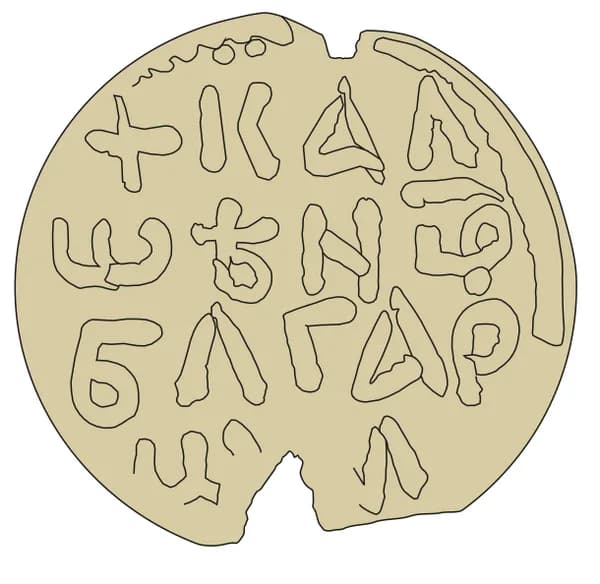
Two occasions to return to Tsar Kaloyan: a new staging of Pancho Vladigerov's opera at Stara Zagora and on Tsarevets, and a conference at Svilengrad for the 820th anniversary of the Battle of Adrianople (1205). Pavlov presents Kaloyan as an educated ruler, general and diplomat and sums up the papers on the Latins, the Cumans and the Church.
Lead seal of Tsar Kaloyan – photo Kandi, CC BY-SA 4.0
Prof. Plamen Pavlov, Trud
The Bachkovo monastery: a hearth of faith and the Bulgarian spirit
Бачковската обител – огнище на вярата и българския дух
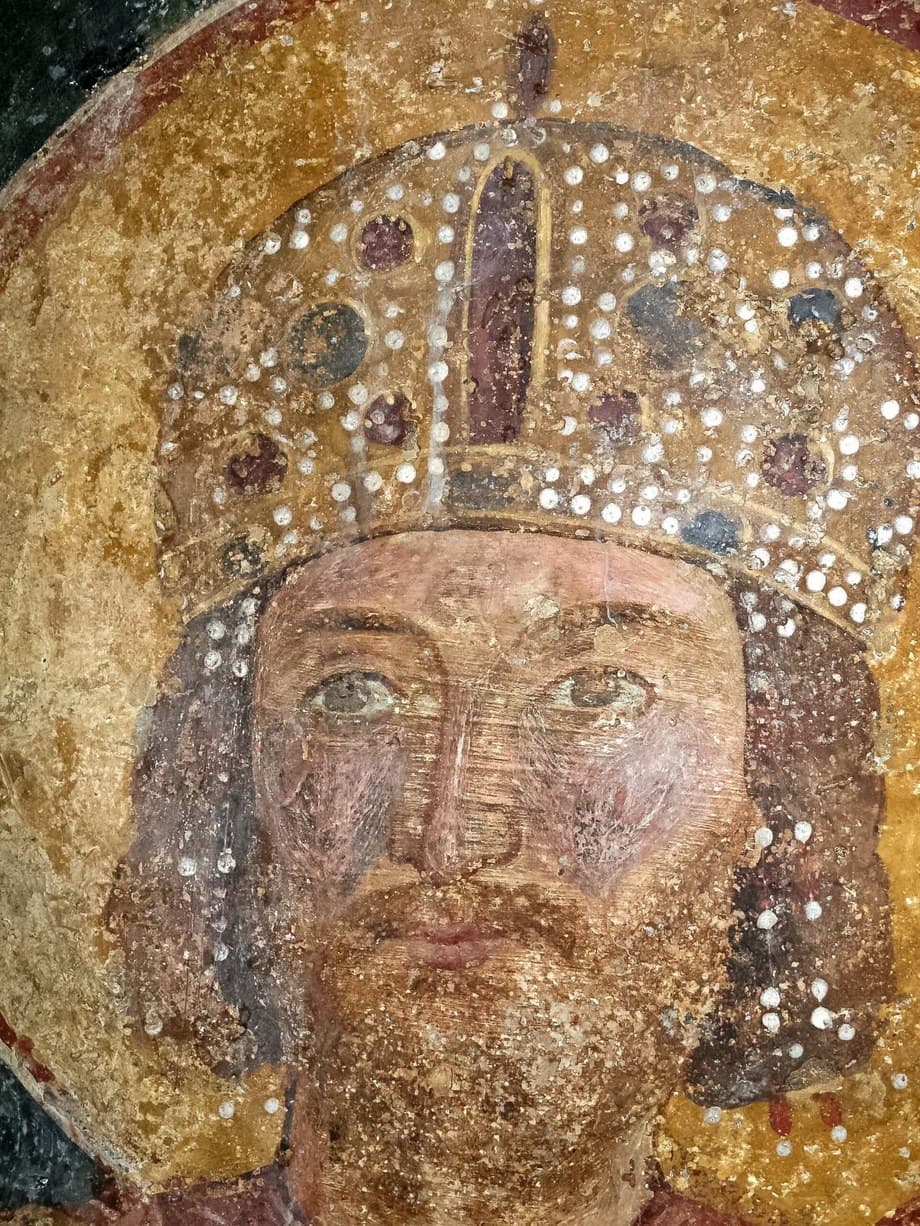
The Bachkovo monastery from its foundation by Gregory Pakourianos in 1083 as a Georgian house to the time when Tsar Ivan Alexander became its second founder, with a full-length portrait in the ossuary. Pavlov traces its link with Patriarch Evtimiy and his pupils, who carried on the Tarnovo literary school.
Prof. Plamen Pavlov, Trud
Sredets/Sofia and the art of the Second Bulgarian Tsardom beyond the capital
Средец/София и „извънстоличното“ изкуство на Второто българско царство
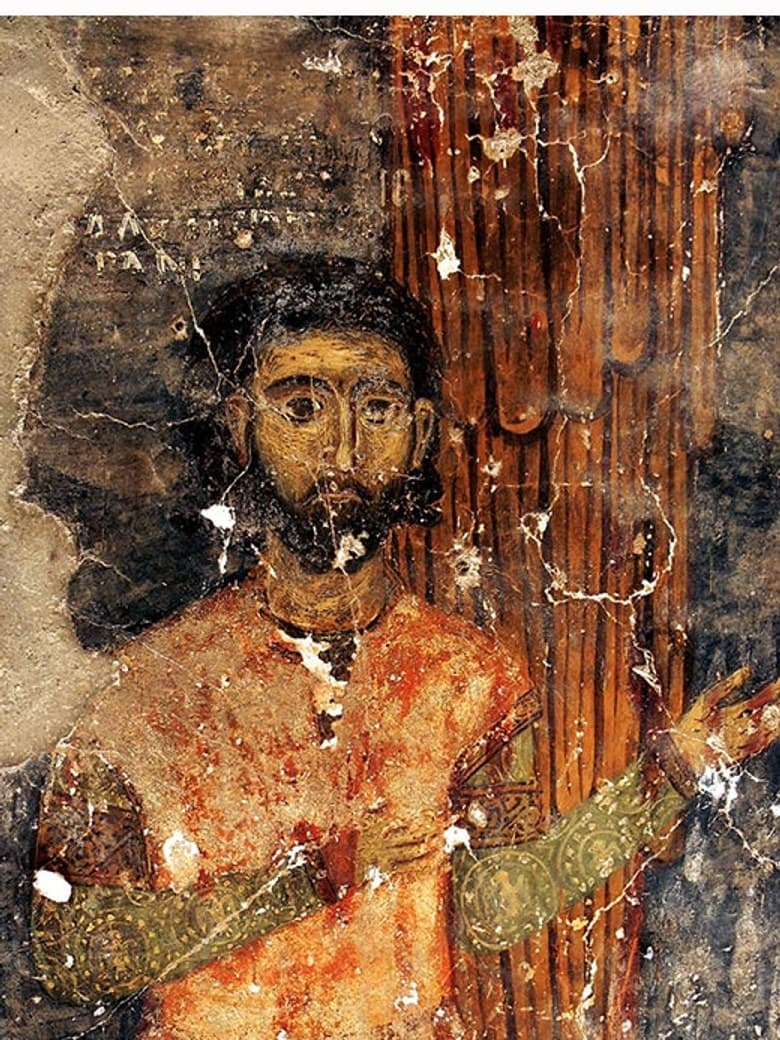
A survey of medieval painting in and around Sredets (Boyana 1259, the St George rotunda, Berende, Zemen, Hrelyo's Tower, Kalotina), where a local school met painters from Tarnovo. Pavlov calls for urgent restoration of the neglected Kalotina frescoes, whose inscription ties the Dragaš family to Ivan Alexander.
Prof. Plamen Pavlov, Trud
Bulgarian contacts with Karakorum in the mid-13th century
За контактите на българите с Каракорум в средата на XIII век
William of Rubruck's mission to Karakorum (1253–1254) mentions Bulgarian embassies to Batu and the Great Khan Möngke, and the Parisian craftsman of the famous 'Silver Tree' had been carried off from Belgrade, then a Bulgarian town. Pavlov also describes the devastation of the Mongols' return through Bulgaria in 1242 and the hope of finding Bulgarian traces in Mongolia.
Prof. Plamen Pavlov, Trud
The Mongol Empire and the Bulgarians in the mid-13th century
Монголската империя и българите в средата на XIII век
Written after the first Bulgarian research expedition to Mongolia, the article explains how decisions taken in Karakorum reached Bulgaria: the flight of the Cumans to Ivan Asen II in 1237 and 1241, and Batu and Kadan's return from Hungary through Bulgarian lands in early 1242. Coin hoards trace their route to Tarnovo, and Koloman I's government was forced to accept Mongol overlordship.
Prof. Plamen Pavlov, Trud
'Those famous Bulgarians…': Sredets/Triaditsa and the Bulgarian risings against Byzantine rule
„Онези прочути българи…“ Средец/Триадица и българските въстания против византийската власт
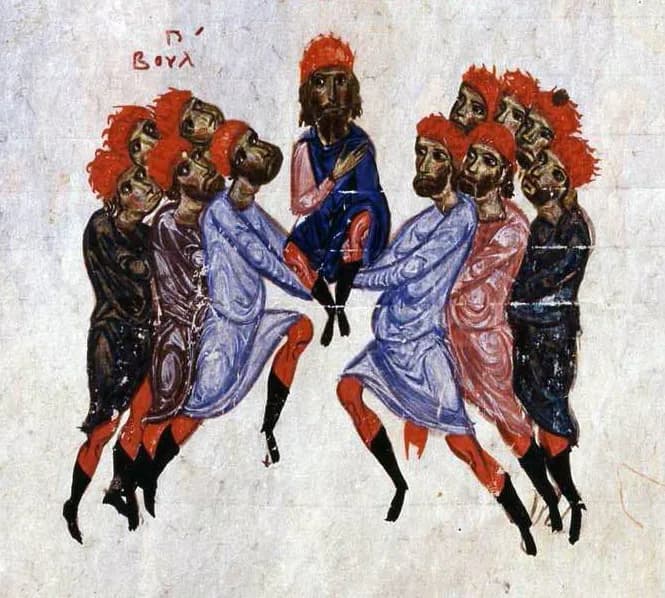
Sredets/Triaditsa in the Bulgarian risings of the 11th century, from the voivode Botko under Peter Delyan to the revolt of the Paulician Leka in 1078. It ends with Peter and Asen's efforts to take the city as the key to Macedonia, and with Tsar Asen's capture of it in 1195.
Prof. Plamen Pavlov, Trud
Tsar Ivan Shishman and his sons
Цар Иван Шишман и неговите синове
What is known of Ivan Shishman's two marriages and his five sons: Patriarch Joseph II of Constantinople, buried in Florence; Alexander, who converted to Islam; the two Asens; and Fruzhin. Pavlov follows Fruzhin's war against the Ottomans with Hungarian backing, his return to Temska and his Shishman descendants in Hungary down to the 16th century.
Prof. Plamen Pavlov, Trud
The diplomacy of Tsar Ivan Shishman
Дипломацията на цар Иван Шишман
Pavlov, a plenary speaker at the Nikopol conference marking 630 years since the tsar's death, outlines Ivan Shishman's diplomacy: the compromises with Murad I and Kera Tamara's marriage, the alliance with Prince Lazar's Serbia, support for Andronikos IV, placing Mircea the Elder on the Wallachian throne, and the puzzle of why he dropped the title of tsar after 1388.
Prof. Plamen Pavlov, Trud
Tsar Konstantin Tih, Irene the Asenid, Maria 'the lioness' and Ivaylo the rebel
Цар Константин Тих, асеневката Ирина, „лъвицата“ Мария и бунтарят Ивайло
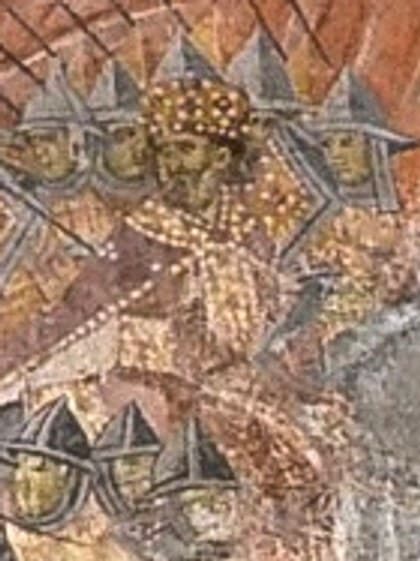
Pavlov rehabilitates Konstantin Tih as a reformer rather than a 'weak tsar' and tells the story of his two wives: the ambitious Irene Laskarina, granddaughter of Ivan Asen II, and Maria Kantakouzene, who did away with Despot Jacob Svetoslav and, after Ivaylo's rising, married the rebel to keep the throne for her son. The Boyana portraits are his starting point.
Prof. Plamen Pavlov, Trud
Coins as a key to understanding the Bulgarian Middle Ages
Монетите – „ключ“ към изследването и осмислянето на българското Средновековие
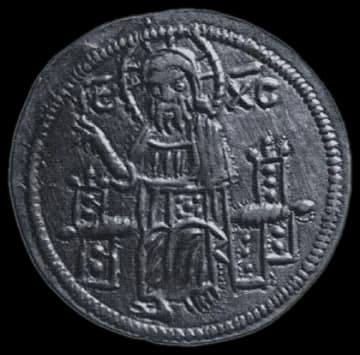
A review of the second volume of Dr Tencho Popov's numismatic studies. The new attributions include a silver coin of Konstantin II Asen of Vidin, previously given to Konstantin Dragaš; a coin of Alexander, Ivan Shishman's son, who remained a Bulgarian vassal ruler at Nikopol until about 1416; and coins giving Despot Dobrotitsa's name as 'George Asen'.
Prof. Plamen Pavlov, Trud
'Tarnovgrad itself will trumpet the victories…'
“Самият Търноград ще разтръби победите…“
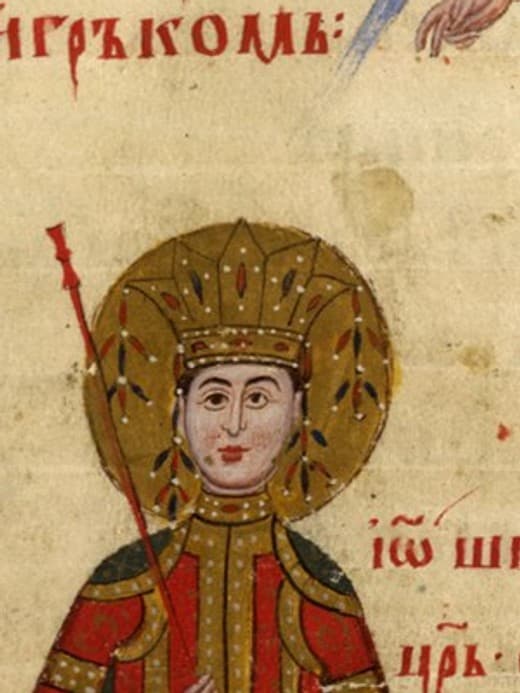
For Veliko Tarnovo's feast day, Pavlov recalls the great victories of the Second Tsardom: the rising of Peter and Asen and the ambush in the Tryavna pass (1190), the rout of the Latins at Adrianople (1205), Boruy (1208) and Klokotnitsa (1230), and the later successes at Skafida and Rusokastro.
Prof. Plamen Pavlov, Trud
'Rulers by the grace of God': the queens of medieval Bulgaria
„От Бога владетелките“ на средновековна България
A full list of the 31 named queens of Bulgaria from the 9th to the end of the 14th century, with their origins: 12 Bulgarian, 9 Byzantine, two each Serbian, Wallachian and Hungarian, and one each Rus', French, Cuman and Jewish. Pavlov also discusses the most common queens' names and the Bulgarian princesses who became consorts in Byzantium, Serbia, Bosnia and elsewhere.
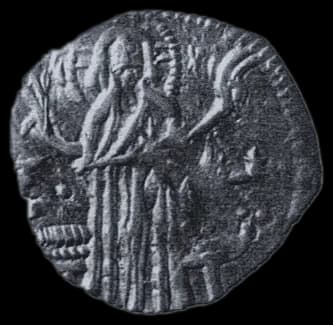
Prof. Plamen Pavlov, Trud
The lords of Sredets/Sofia in the 14th century
Господарите на Средец/София през XIV в.
From the voivode Vitomir and his son Aldimir, buried at Boyana, to the royal sons Ivan Asen IV and Mihail Asen, killed in the first Ottoman raids of 1354–1355, and Ivan Asen V, who fell near Sofia around 1371. Pavlov rejects the old claim of a war between Ivan Shishman and Ivan Sratsimir over the city and recounts the fall of Sofia in 1385.
Prof. Plamen Pavlov, Trud
The lords of medieval Sredets in the 13th century
Господарите на средновековния Средец през XIII в.
After Sredets joined the tsardom in 1195 it was entrusted to the tsar's closest kin. Pavlov puts forward a sequence of lords for the city: the sebastokrator Alexander, brother of Ivan Asen II; the regent sebastokrator Peter; the sebastokrator Kaloyan and Desislava of the Boyana church; Despot Jacob Svetoslav; and the future Tsar George I Terter.
Prof. Plamen Pavlov, Trud
Tsar Konstantin II Asen (1397–1422) revisited
Отново за Цар Константин II Асен (1397-1422)
New excavations at Vidin show almost no Ottoman coins there in the late 14th and early 15th centuries, while Bulgarian coinage still dominates. Pavlov gathers the evidence (Sigismund's letter, Serbian and Ragusan documents, the coin of 'the faithful Tsar Kostadin') that Bulgarian statehood lasted until 1422.
Prof. Plamen Pavlov, Trud
Tsar Mihail III Shishman, the bold descendant of the Asenids
Цар Михаил ІІІ Шишман – смелият потомък на Асеневци
For the 700th anniversary of his accession, Pavlov follows Mihail III Shishman from his father Shishman's Vidin principality to the Tarnovo throne in 1323: the divorce from Anna Neda, the intervention in the Byzantine civil war, a daring plan to seize Constantinople, and the coalition against Serbia that ended with his death at Velbazhd (1330).
Prof. Plamen Pavlov, Trud
The 'blue blood' and youth of Theodore Svetoslav Terter
За „синята кръв“ и младостта на Теодор Светослав Тертер
For the 700th anniversary of Theodore Svetoslav's death, Pavlov traces his descent from the Terterids, the Asenids and the Rurikids of Kiev, his years as a hostage in Nicaea and Constantinople, his proclamation as co-ruler in 1285 and his stay with Khan Nogai. He argues that the marriage to Euphrosyne, granddaughter of the merchant Pandoleon, was a political alliance rather than a match for money.
Prof. Plamen Pavlov, Trud
A few puzzles about Tsar Ivan Asen II
Няколко загадки около цар Иван Асен II
Pavlov revisits the 'fixed' dates of Ivan Asen II: his exile was in the principality of Kiev, not Galicia-Volhynia; he took power in autumn 1217, not 1218; Klokotnitsa was probably fought in 1229; and he died in autumn 1241 or in 1242. The piece also mentions his portrait reconstructed from fragments in the Holy Forty Martyrs church.
Prof. Plamen Pavlov, Trud
Plots and coups for the crown of the Asenids
Заговори и преврати за короната на Асеневци
A chronicle of the struggle for the Tarnovo throne: the rift between Peter and Asen, the murders of Asen by Ivanko (1196) and of Peter (1197), Kaloyan's death before Thessalonica, Boril's overthrow, the poisoning of Koloman I, the civil war between Mitso Asen and Konstantin Tih, and the flight of Ivan Asen III. Pavlov shows how the name 'Asen' kept its legitimacy through every upheaval.
Prof. Plamen Pavlov, Trud
The 'enigma' of Tsar Konstantin II Asen
„Загадката“ цар Константин II Асен
A portrait of Ivan Sratsimir's son, who brought the relics of St Petka to Vidin in 1395 and whom King Sigismund called 'the renowned emperor of Bulgaria' in 1404. Pavlov sets out his case that the Vidin tsardom survived 1396 and fell only during the revolt of Düzme Mustafa in 1422, the year Konstantin died.
Prof. Plamen Pavlov, Trud
The Cumans, faithful allies of the Asenids
Верните съюзници на Асеневци - куманите
Who the Cumans were and how the alliance with them underpinned the Asenids' 'steppe policy' from 1186 to 1241, culminating in the 14,000 Cuman horsemen at Adrianople in 1205. Pavlov warns against overrating them, since Tryavna and Klokotnitsa were won almost without them, and follows the Cumans' settlement in Bulgaria and their descendants, the Terterids and the Basarabs.
Prof. Plamen Pavlov, Trud
Peter and Asen, the liberator brothers
Петър и Асен - братята освободители
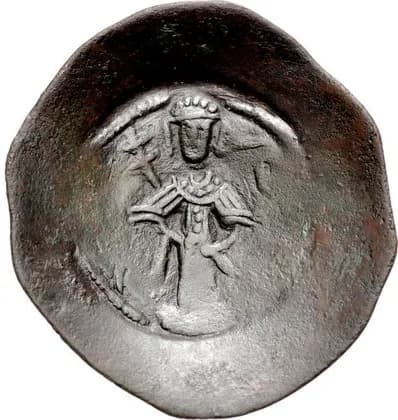
An earlier Pavlov piece on the start of the rising: the meeting with Isaac II Angelos, the icon of St Demetrius from Thessalonica, Theodore's crowning as Peter, the restored Church and the two capitals of Preslav and Tarnovo. He stresses the brothers' noble descent, their aim to unite all Bulgarians 'as it once was', and their offer of 40,000 horsemen to Frederick Barbarossa.
Coin of Tsar Peter – CNG Coins, CC BY-SA 2.5