1185–1396
The Second Bulgarian Empire
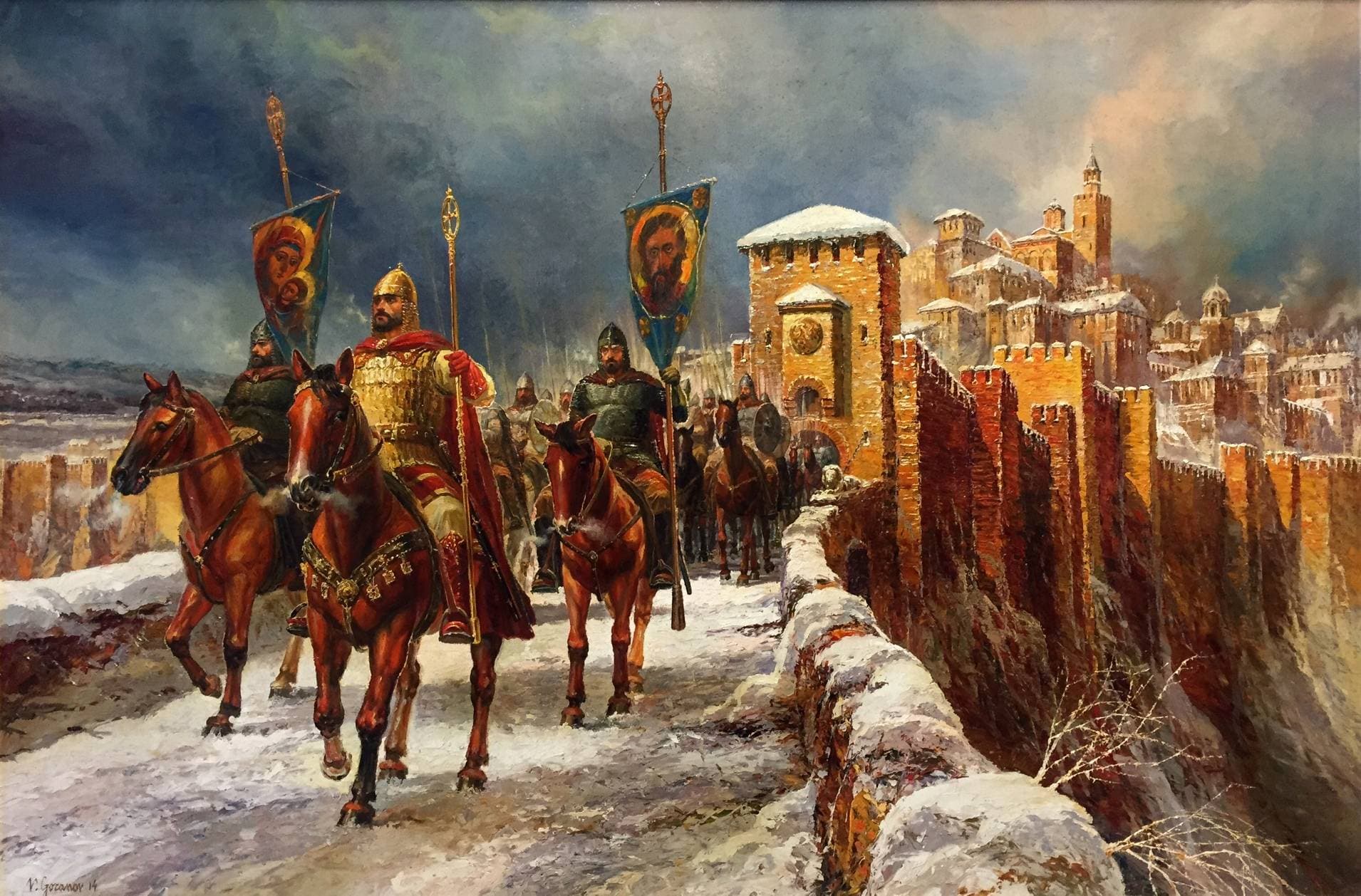
In 1185 the brothers Peter and Asen rose against Byzantium, and Bulgaria was independent again. For the next two centuries it was ruled from Tarnovo by tsars of four successive dynasties, and under Ivan Asen II its power reached from the Black Sea to the Adriatic. It ended with the Ottoman capture of Tarnovo in 1393 and of Vidin in 1396.
This site gathers what we know about that state: its rulers and their families, battles, coins, charters, churches and daily life, drawn from the work of Bulgarian historians and from the medieval sources themselves.
Try searching
The empire on the map
Open the full map →The 1185 uprising of the brothers Asen and Peter restores Bulgarian statehood. By 1186 a realm forms around Tarnovo in the north-east, while Byzantium still holds most of the Balkans and Serbia rises under Nemanja.
Select a realm on the map to read who ruled it and how it stood that year.
Explore the empire
Featured ruler
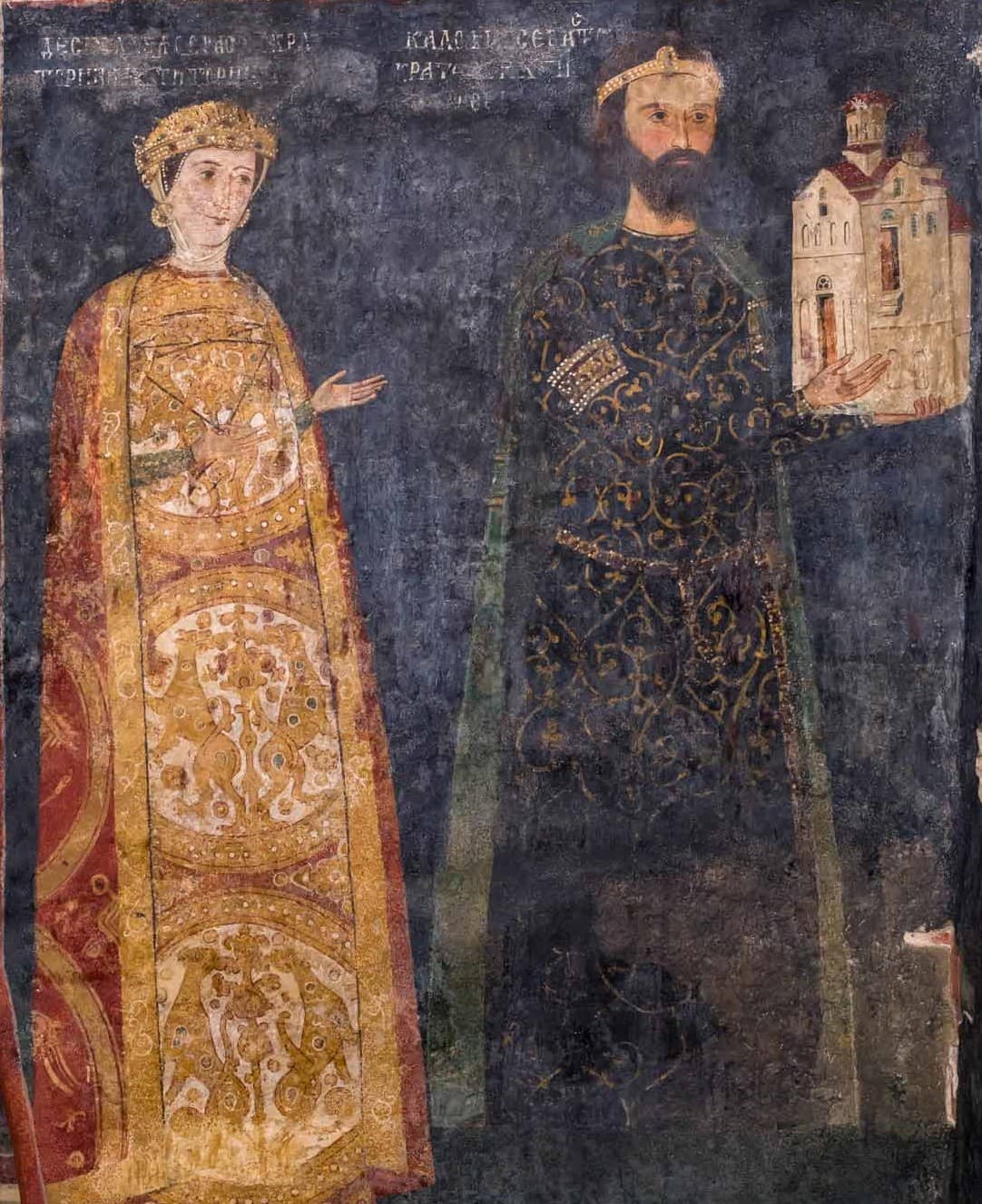
Kaliman Asen II
Tsar · 1256–1256
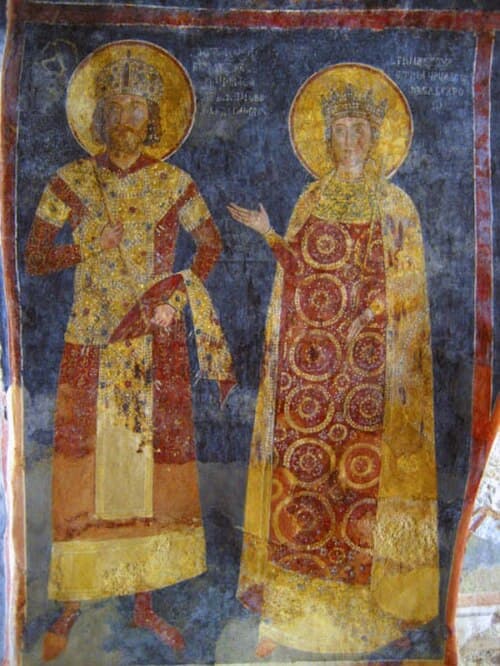
Kaliman Asen II was a Bulgarian tsar of the Asen dynasty whose entire known reign fell in 1256. He belonged to a collateral male branch of the ruling house: his father was the sebastokrator Alexander, younger brother of Tsar Ivan II Asen. Since Ivan II Asen was a son of Ivan I Asen, Kaliman was a grandson of one of the founders of the restored Bulgarian Empire and a first cousin of his predecessor, Michael II Asen. This ancestry gave him a dynastic basis for claiming the crown, but the manner in which he acquired it—by killing Michael and seizing power—made his accession an act of violent usurpation as well as a contest between branches of the same family.
Kaliman's lineage connected him directly to the political tradition inaugurated at Tarnovo in 1186 by Ivan I Asen and Theodore-Peter. That tradition treated imperial authority as, in an important sense, the patrimony of the ruling family. The historical discussion quoted in the dossier recalls Michael Psellos's generalization that the Bulgarians chose leaders from the imperial race, while later formulations allowed the throne to pass to a ruler's son, brother, or other relative. Such principles did not establish an unambiguous order of primogeniture: they could legitimate several related claimants at once. Kaliman's brief career illustrates the resulting tension between membership in the imperial house, actual possession of the capital and crown, and acceptance by the political elite.
From history
October 26Uprising of Asen and Peter
1185On the feast of Saint Demetrius, brothers Asen and Peter launched an uprising against Byzantium in Tarnovo. The consecration of the new church of Saint Demetrius gave the symbolic start to the struggle that would end with the founding of the Second Empire.
Did you know?
The frescoes in the Boyana Church from 1259 are among the first to use tempera paints on dry plaster, allowing corrections and greater expressiveness.
Church Painting
Featured articles
View all →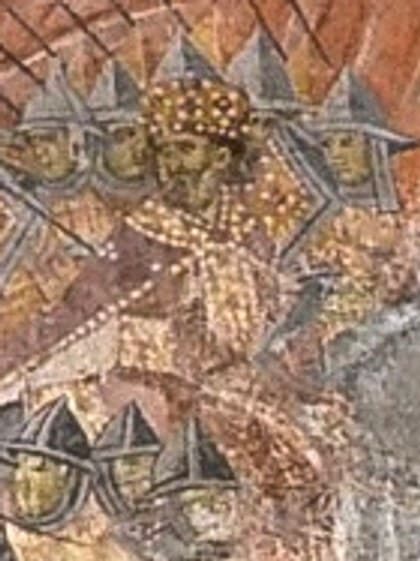
Theodore Svetoslav — Partial Recovery (1300–1330)
The chapter follows Theodore Svetoslav’s violent accession in 1300 and his subsequent restoration of Bulgarian authority through internal consolidation, frontier bargaining, and a decisive series of wars against Byzantium. That recovery endured into the reign of Michael Shishman, but the era ended in 1330 with the Bulgarian defeat at Velbuzhd, which reopened dynastic instability.
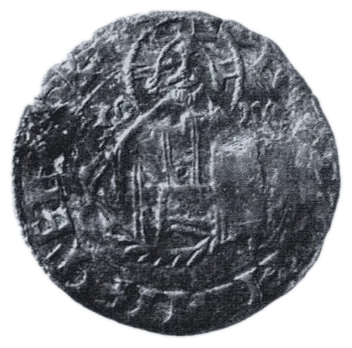
Vidin Tsardom — Last Resistance (1396–1422)
The chapter follows Vidin as the last Bulgarian stronghold on the Danube, from its final courtly gestures before conquest to its fall after the crusader defeat at Nicopolis in 1396. Thereafter the Vidin line survives mainly through Constantine's exile, a brief revival of hope during the Ottoman interregnum, the uprising of Constantine and Fruzhin, and finally Constantine's death in 1422.
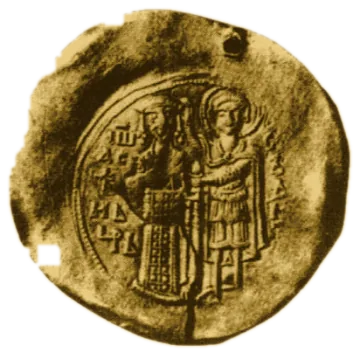
Boril — Internal Struggles (1207–1218)
Boril seized the Bulgarian throne in 1207 after Kaloyan’s death, but his reign was immediately undermined by dynastic rivalry, regional defections, and repeated defeats against the Latins and their Balkan allies. He tried to shore up authority through warfare, alliance-making, and the anti-Bogomil council of 1211, yet the kingdom steadily fragmented until John Asen II returned in 1218 and overthrew him.
Ivan Alexander — Cultural Flourishing (1330–1355)
Ivan Alexander’s reign began in 1331 with the restoration of native Asenid rule after the collapse of the Serbian-backed regime, and it was immediately tested by revolt, Byzantine pressure, and shifting Balkan politics. He secured the throne through victory and repression, then presided over a period of notable cultural and ecclesiastical flourishing even as regional lordships, heresy, and the Ottoman advance began to weaken the kingdom’s unity.
Places
View all →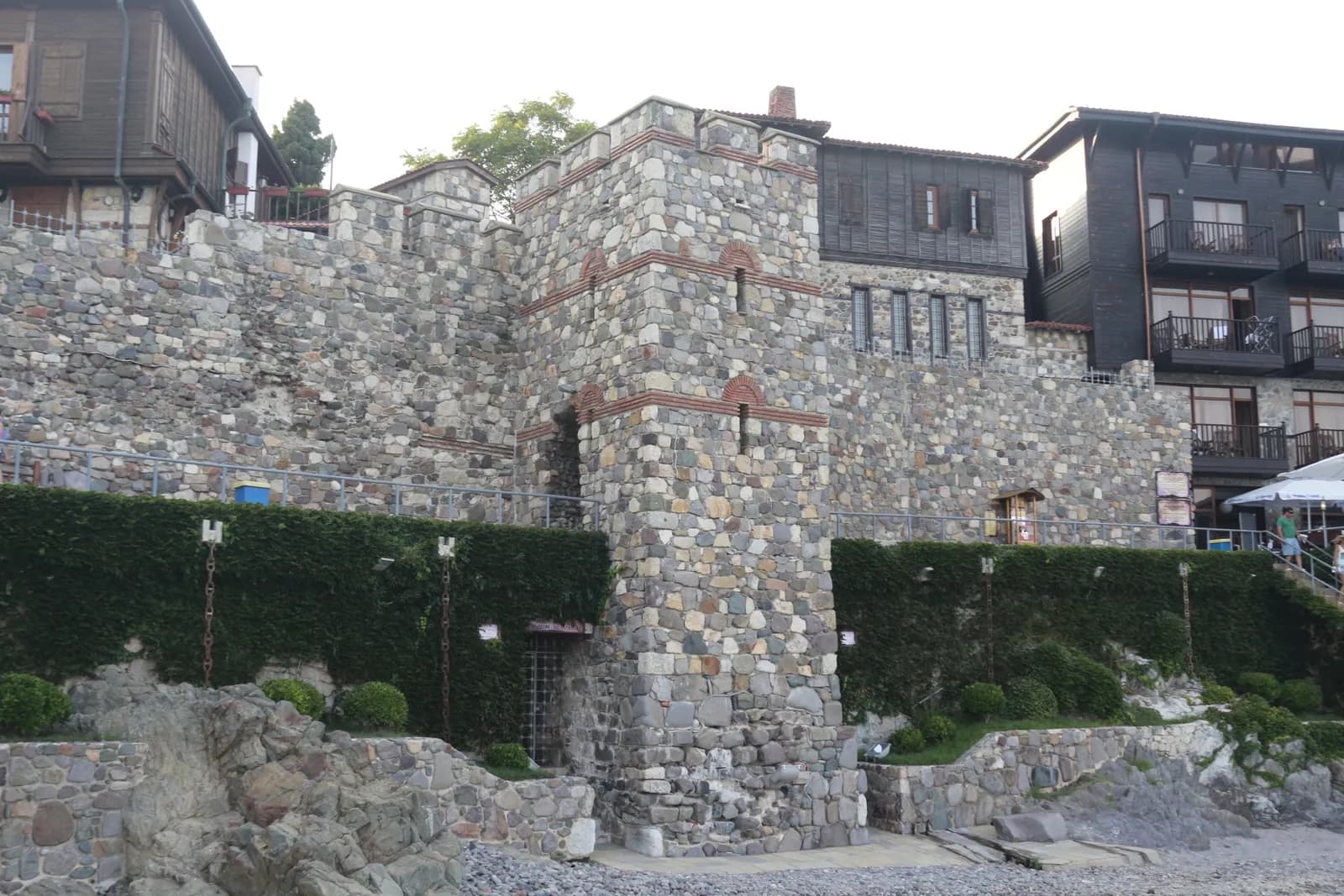
Sozopol
Port fortress on the southern shore of the Gulf of Burgas.
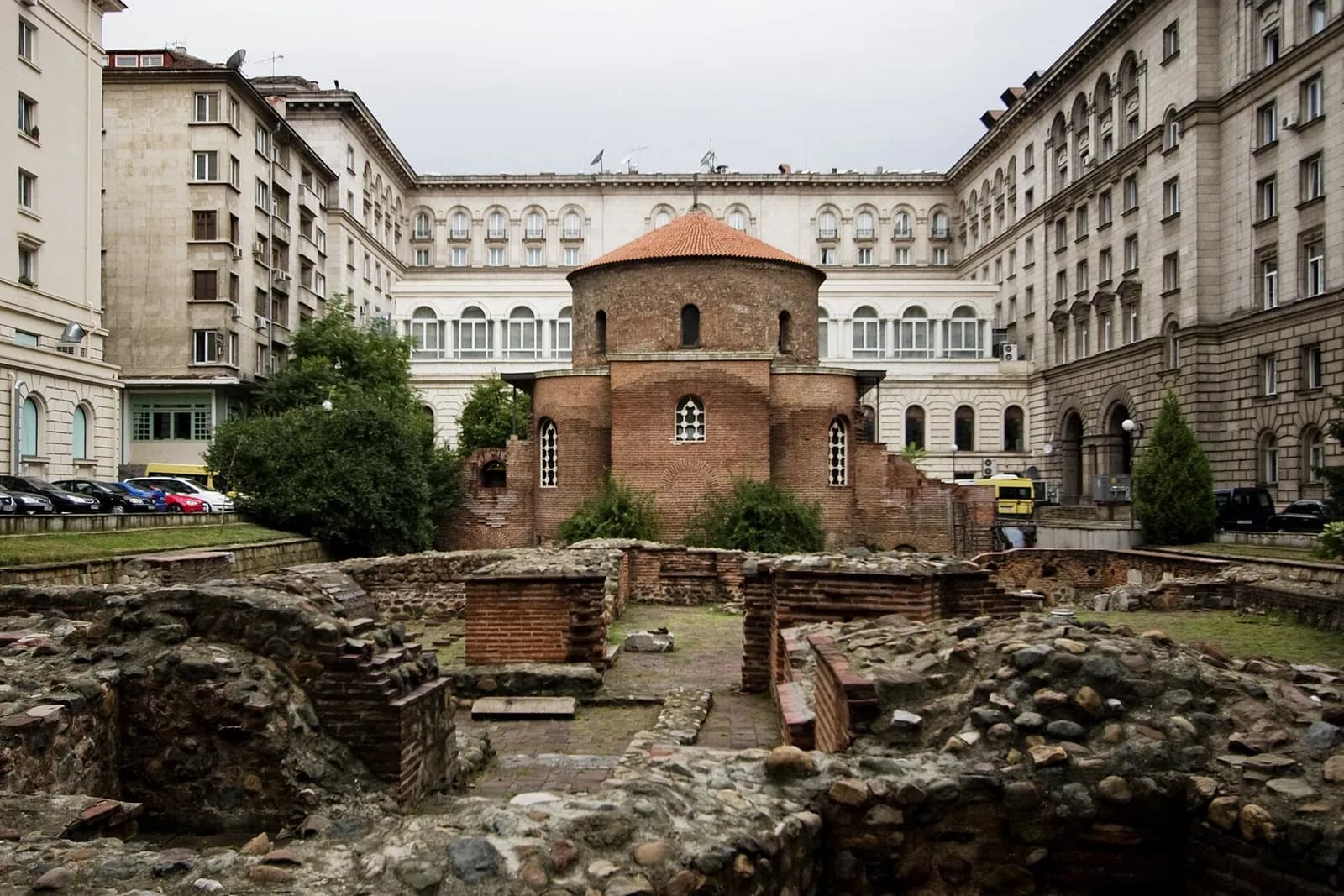
Sredets
The chief stronghold of the west, lost to the Ottomans around 1382.
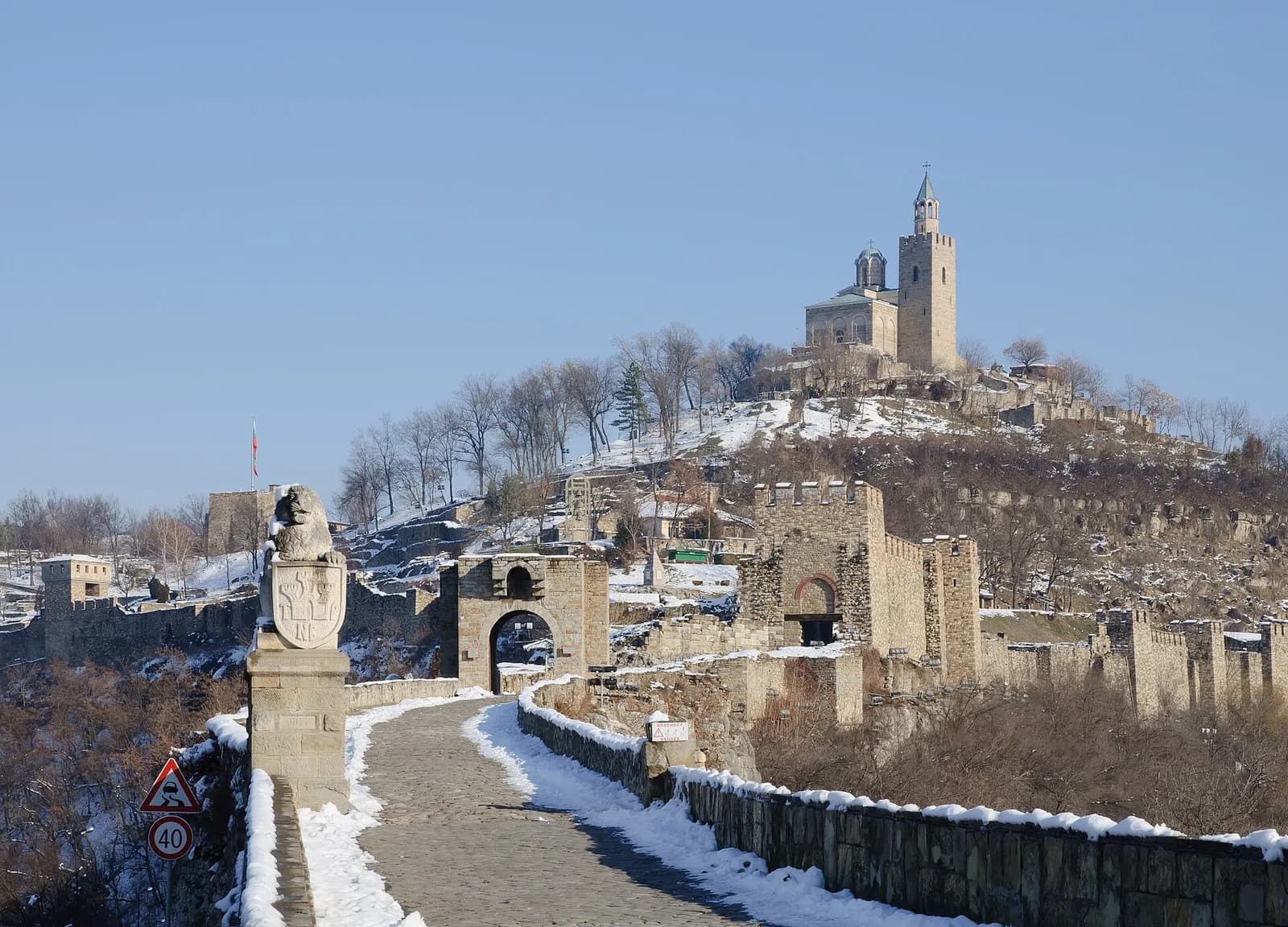
Tarnovo
Capital of the Second Bulgarian Empire from 1185 until it fell to the Ottomans in 1393.
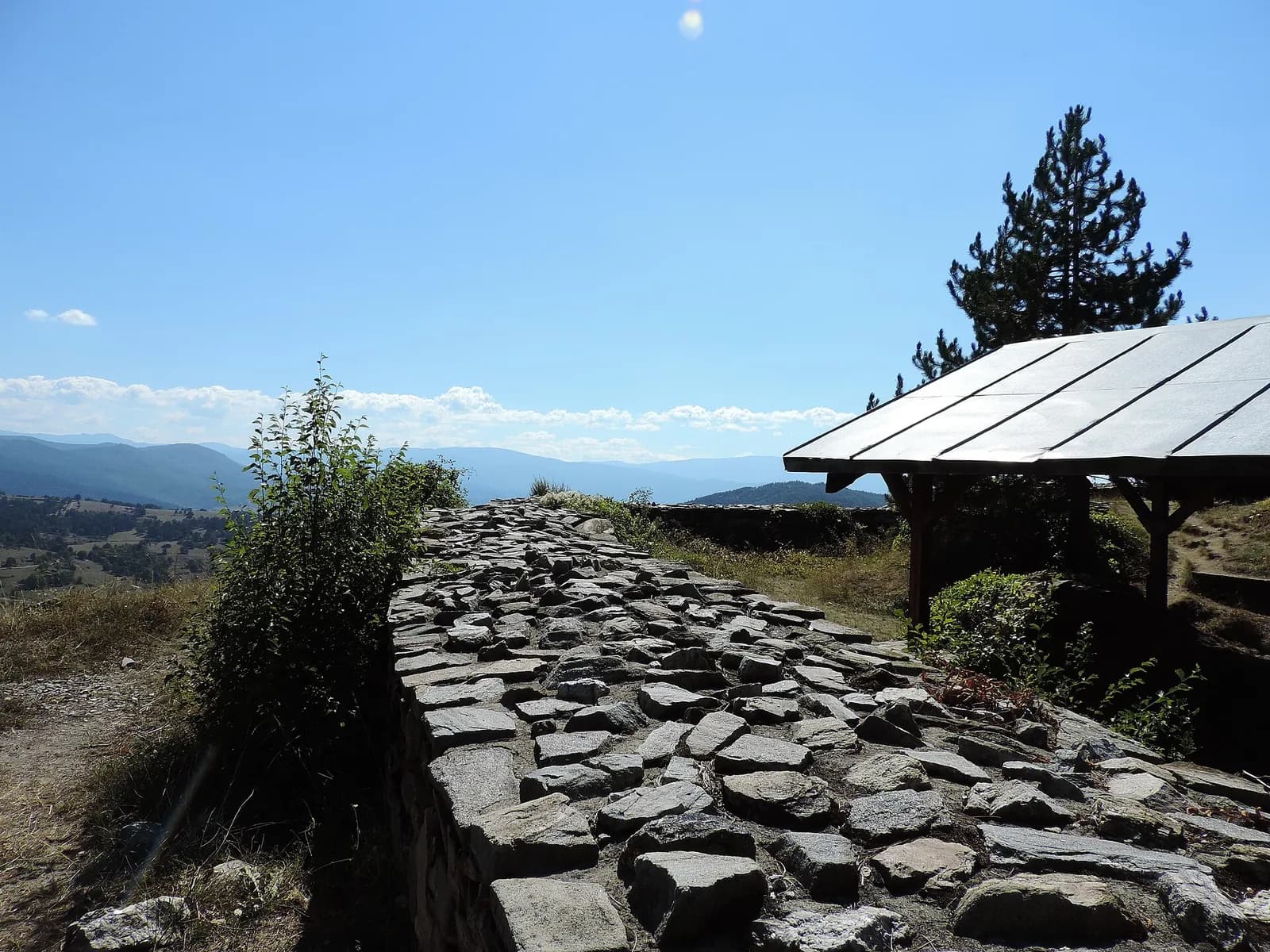
Tsepina
Rhodope stronghold fought over by Bulgaria and Nicaea in the thirteenth century.
News
View all →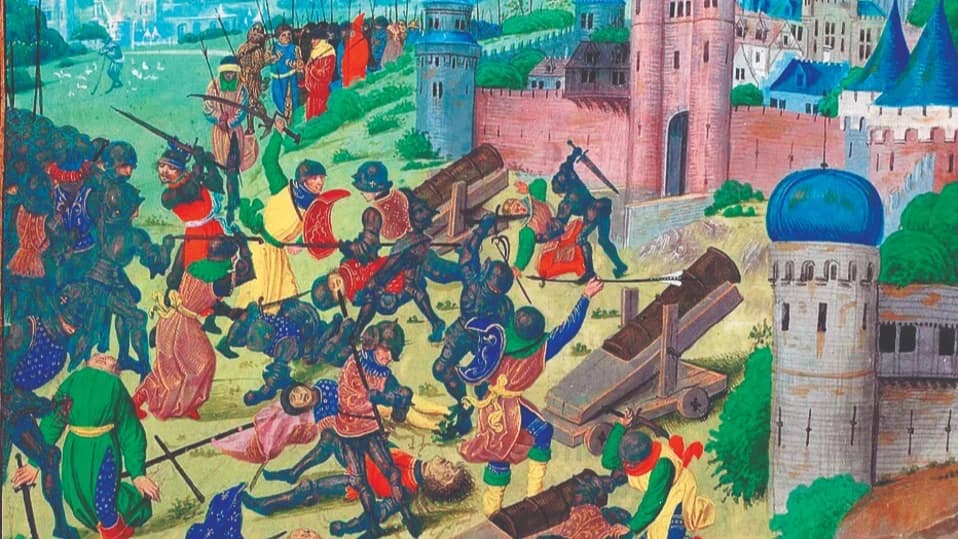
The Battle of Nicopolis (25 September 1396) and the fate of Tsar Ivan Sratsimir
Pavlov follows King Sigismund's crusade from Buda to the rout at Nicopolis and what it meant for the Vidin tsardom. His main argument is that Ivan Sratsimir was not taken captive straight after the battle but during a later campaign of Bayezid against Hungary in 1397/1398, the date given by the Bulgarian Anonymous Chronicle and the Serbian annals.
The historic Bulgarian north-west, 12th–15th centuries
A survey of the long contest between Bulgaria, Hungary and Serbia for Belgrade, Braničevo and the Morava valley, from Kaloyan and Ivan Asen II to Mihail III Shishman and Konstantin II Asen's Vidin tsardom. It closes with the little-known Bulgarian fortresses and monasteries of today's eastern Serbia.
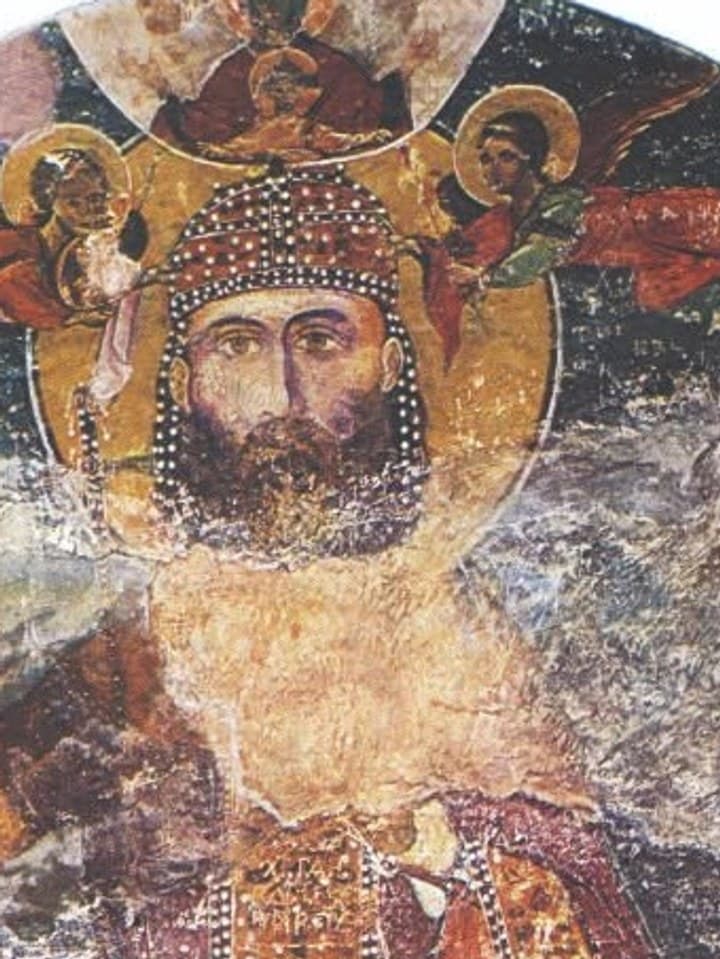
The noblewomen of the Bulgarian Morava valley in the 14th century
On the donor portraits in the churches of Staničenje and Donja Kamenica: a boyar family related to the Shishmanids, the young Areta with her unusual name, and a despotissa some identify as the young Anna Neda. Their dress and inscriptions show how closely the Vidin region was tied to Hungary and the Catholic world.
Noble ladies of medieval Dobrudzha and the Black Sea coast in the 14th century
Pavlov looks at the mysterious Sevina of the Emine monastery charter, the despotissa Keratsa Petritsa (Ivan Alexander's mother, called a Catholic in a papal letter) and the women of Despot Dobrotitsa's family. He suggests Ivan Alexander spent his youth in Varna and the Karvuna land, and presents new finds from Kaliakra and Drastar.
Line of succession
View all →Asen dynasty
- Peter IV (Theodore-Peter)1185–1197Together with his brother Asen I he led the 1185 uprising against Byzantium that founded the Second Bulgarian Kingdom. Crowned tsar under the name Peter.
- Ivan Asen I1190–1196A leader of the 1185 uprising and founder of the Asen dynasty. Murdered in 1196 by the boyar Ivanko. Father of the future tsar Ivan Asen II.
- Kaloyan1197–1207The youngest of the three Asen brothers. Crushed the Latins at Adrianople (1205), capturing Emperor Baldwin I. Killed during the siege of Thessaloniki in 1207.
- Boril1207–1218Nephew of Kaloyan; seized the throne after his death, displacing the underage sons of Asen I. Overthrown in 1218 by Ivan Asen II.
- Ivan Asen II1218–1241The most powerful ruler of the Second Bulgarian Kingdom. After the victory at Klokotnitsa (1230) he destroyed Theodore Komnenos and extended his power from Adrianople to Durrës. First married the Hungarian princess Anna-Maria, then Irene Komnene.
- Kaliman Asen I1241–1246Underage son of Ivan Asen II and Anna-Maria of Hungary. Took the throne at age seven under a regency. Died in 1246 under unclear circumstances.
- Michael II Asen1246–1256Son of Ivan Asen II by Irene Komnene. Acceded as a minor; during his reign Bulgaria lost territory in the wars with Nicaea. Murdered in 1256 by his cousin Kaliman.
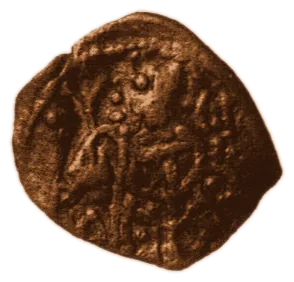
- Kaliman Asen II1256–1256Son of sebastokrator Alexander (brother of Ivan Asen II). Murdered his cousin Michael II Asen and seized the throne, but was deposed and killed within months.
- Mitso Asen1256–1257Son-in-law of Ivan Asen II through his marriage to the latter's daughter Maria. Pushed out by Constantine Tih, he withdrew to Byzantine domains; his son Ivan Asen III later briefly seized the throne.
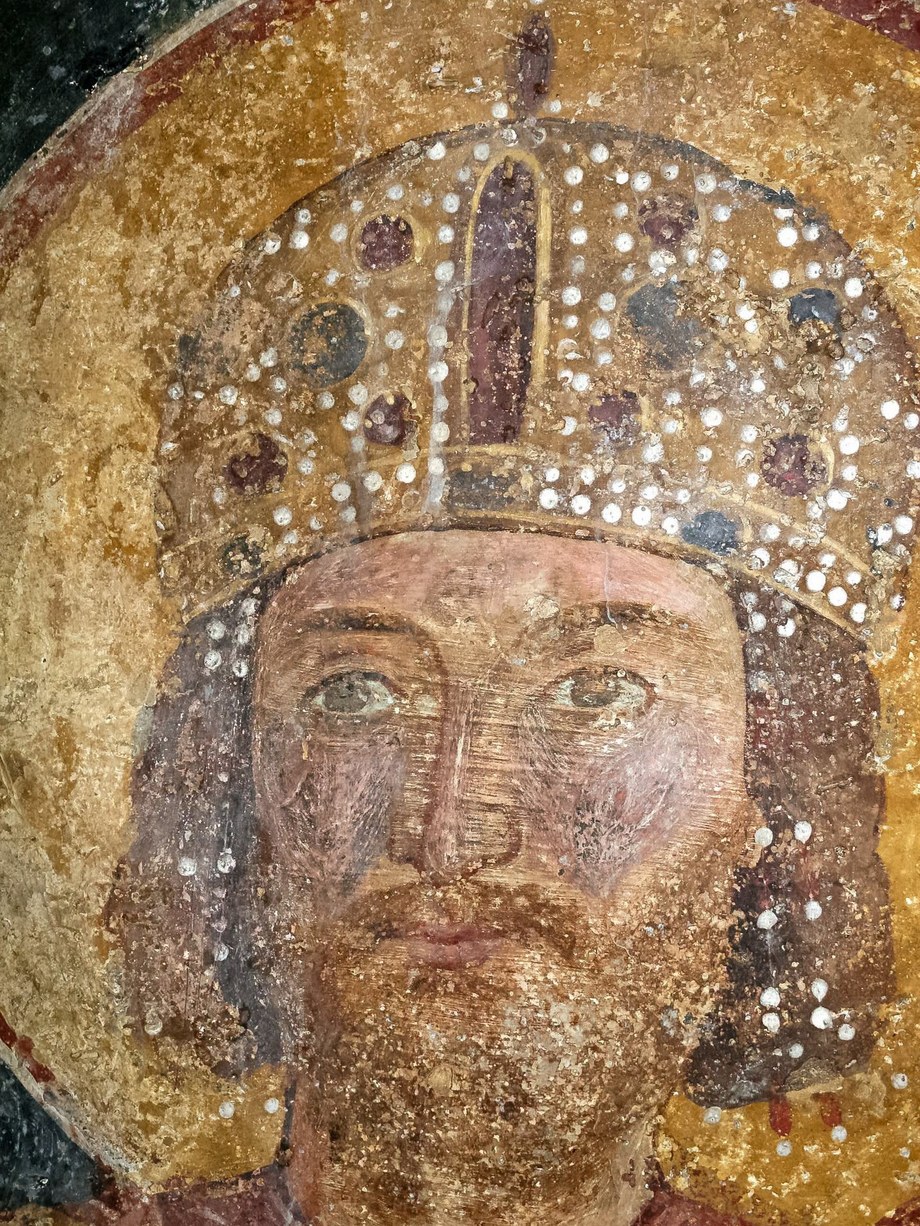
- Constantine Tih Asen1257–1277A boyar of Serbian descent, elected tsar in 1257; he took the name Asen to tie himself to the dynasty through his marriage to Irene Laskarina. Killed in battle against the rebel Ivailo in 1277.
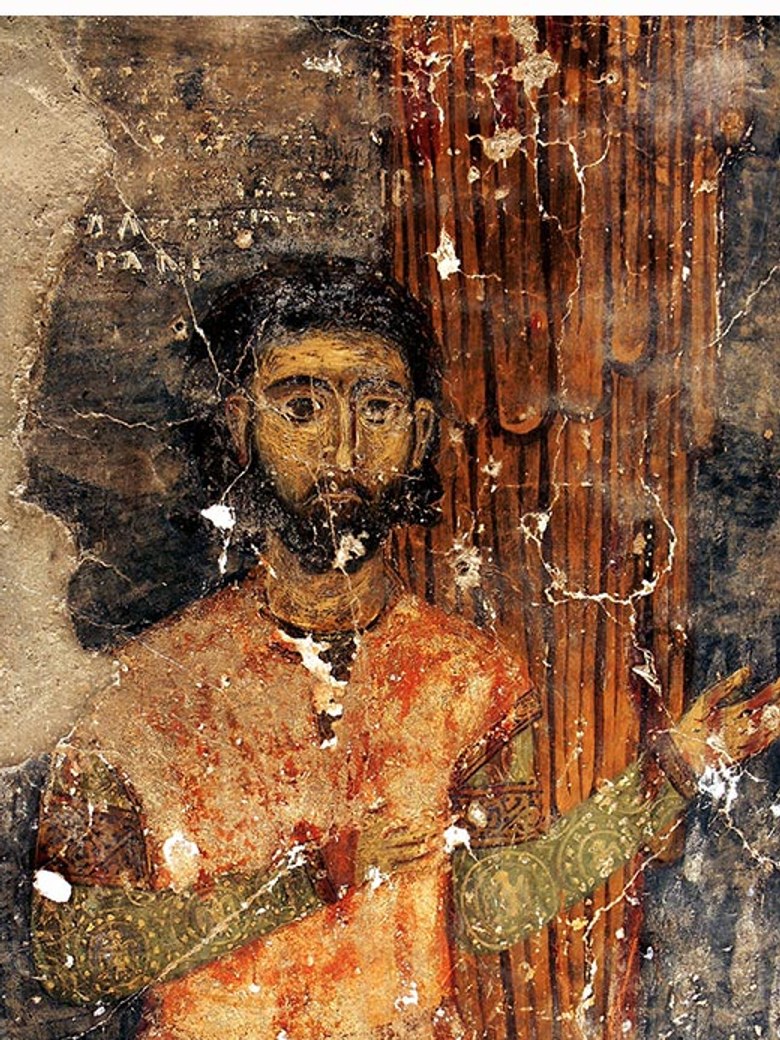
Other
- Ivailo1278–1279A peasant who led a popular uprising against Tatar raids and boyar weakness. After Constantine Tih's death he married the widow Maria Palaiologina and was proclaimed tsar. Killed in the Tatar camp in 1280.
- Ivan Asen III1279–1280Son of Mitso and Maria Asenina, grandson of Ivan Asen II. Installed on the throne with Byzantine backing against Ivailo, but soon fled to Constantinople, leaving power to George Terter I.
Terter dynasty
- George Terter I1280–1292A boyar of Cuman origin, founder of the Terter dynasty. Took the throne after Ivan Asen III fled. Forced to acknowledge Tatar overlordship; abdicated in 1292.
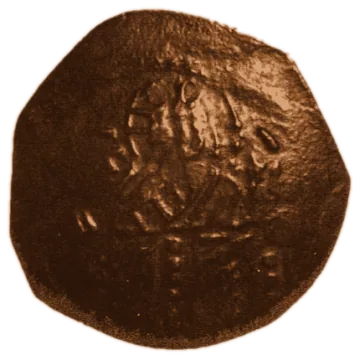
- Theodore Svetoslav1300–1321Son of George Terter I. Restored the throne to the Terter dynasty, freed Bulgaria from Tatar dependence and stabilised the state. Married Theodora Palaiologina, daughter of the Byzantine co-emperor Michael IX.
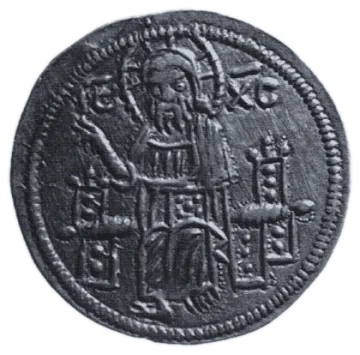
- George Terter II1321–1322Son of Theodore Svetoslav, the last ruler of the Terter dynasty. Reigned barely a year and died childless in 1322, extinguishing the dynasty.
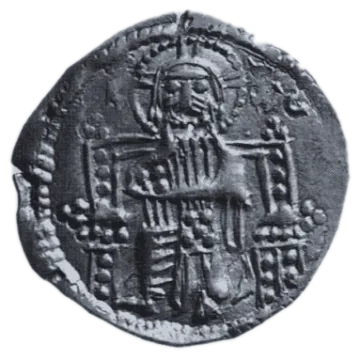
Smilets
Shishman dynasty
- Michael III Shishman Asen1323–1330Despot of Vidin, son of Shishman of Vidin and an Asen princess; elected tsar in 1323 after the Terter line died out, founding the Shishman dynasty. Killed at the Battle of Velbazhd against the Serbs in 1330.
- Ivan Stefan1330–1331Son of Michael III Shishman and the Serbian princess Anna-Neda. Took the throne after Velbazhd but was deposed in 1331 by the boyar elite in favour of his cousin Ivan Alexander.
- Ivan Alexander1331–1371Nephew of Michael III Shishman, son of despot Sratsimir and Petritsa (Michael's sister). A long, culturally brilliant reign; but he ultimately divided the realm between his sons, weakening it before the Ottoman threat.
- Michael Asen IV1332–1355Eldest son of Ivan Alexander by his first marriage, proclaimed co-tsar and designated heir. Killed fighting the Ottomans around 1355, predeceasing his father.
- Ivan Asen IV1337–1349Son of Ivan Alexander by Theodora Basarab, raised to co-tsar. Killed in battle against the Ottomans in 1349.
- Ivan Sratsimir1356–1396Son of Ivan Alexander by his first marriage; received the Tsardom of Vidin as a separate appanage around 1356. Ruled Vidin until the Ottoman conquest in 1396; died in captivity.
- Ivan Shishman1371–1395Son of Ivan Alexander by his second marriage to Sara-Theodora. Last tsar of the Tarnovo realm; ruled a shrunken, besieged state that fell to the Ottomans in 1393–1395.