A rock inscription in which a boyar named Ivan records his own deeds and lineage.
The object
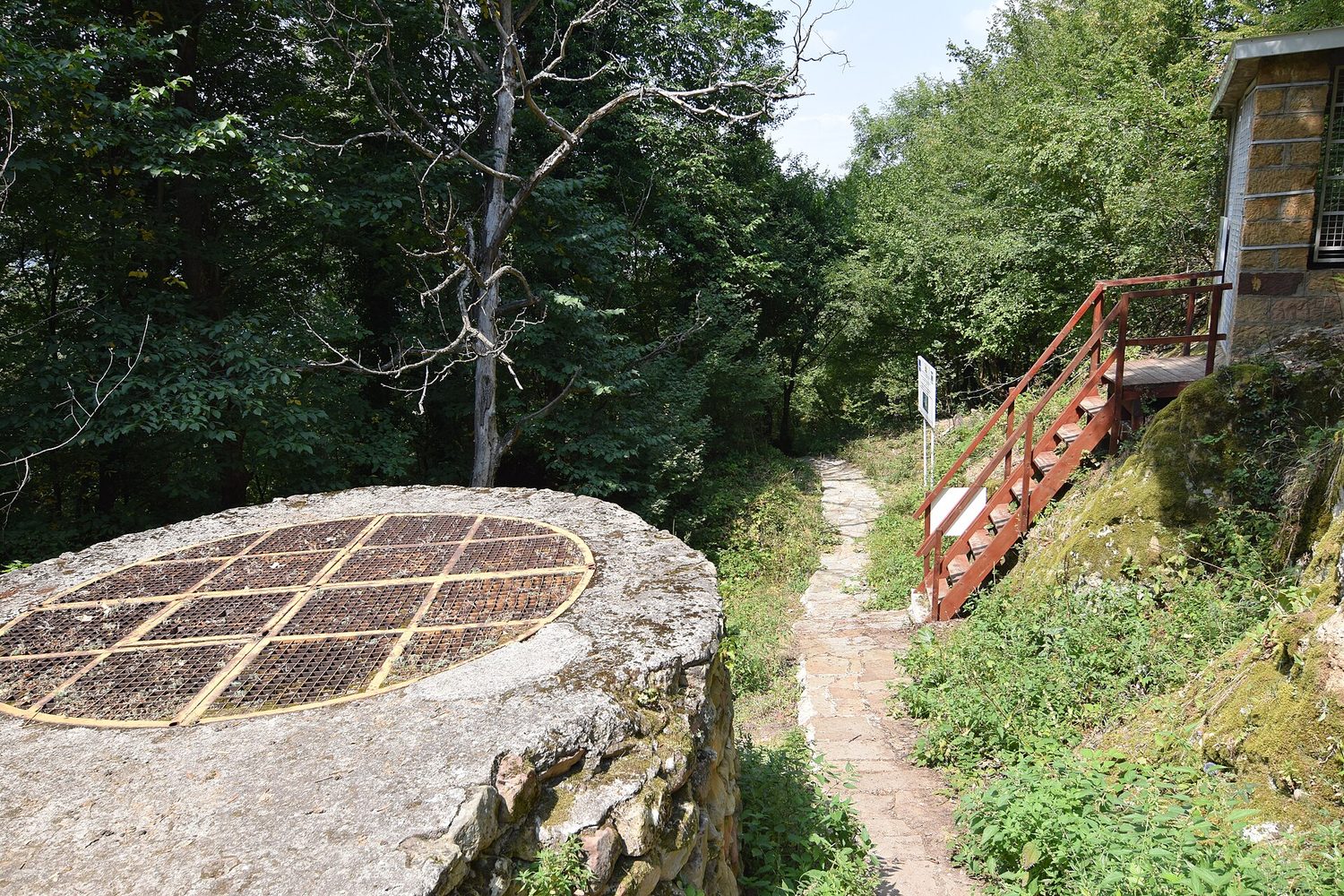
Bozhenishki Urvich, the site of the inscriptionVladimir Angelkov · CC BY-SA 4.0
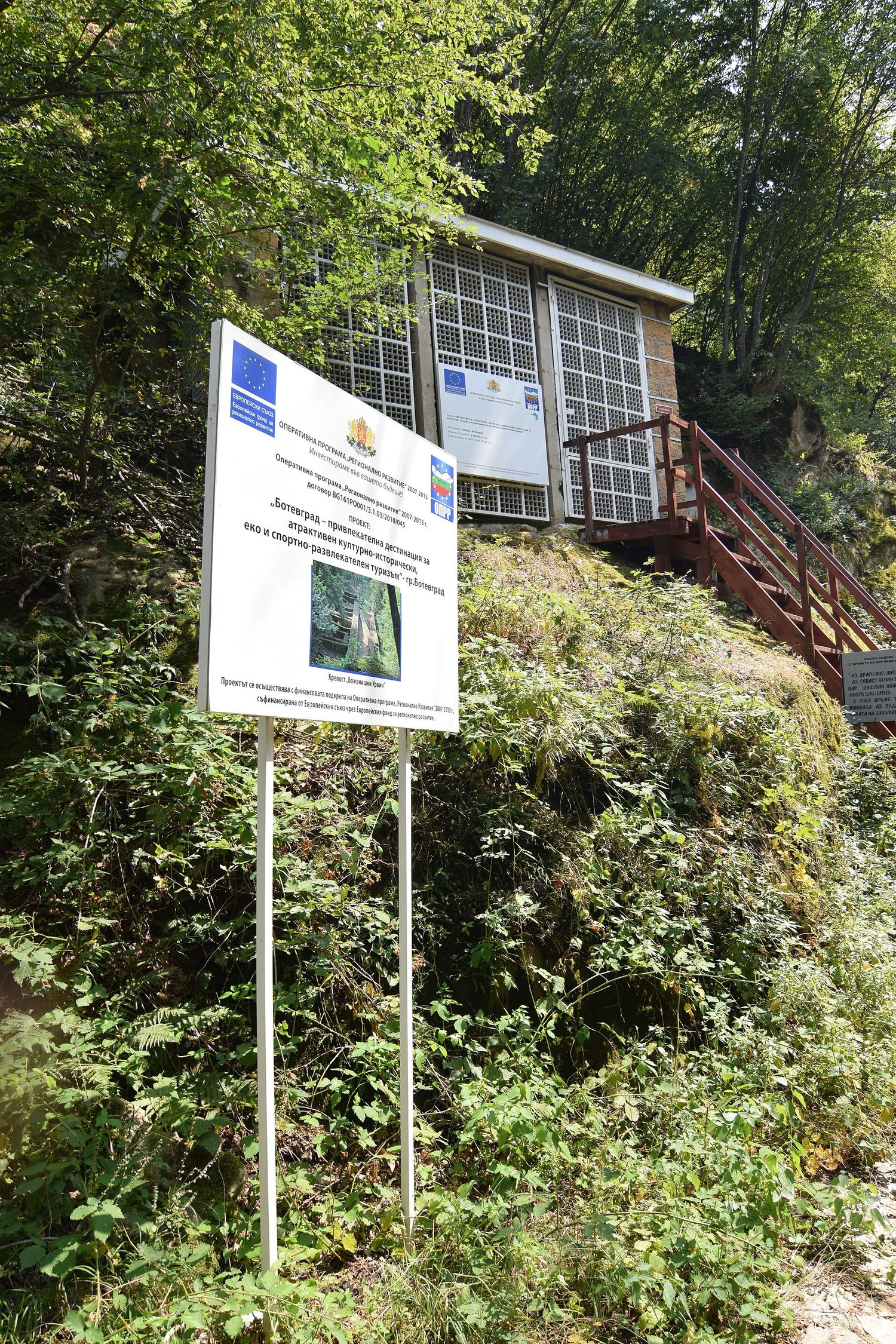
The siteVladimir Angelkov · CC BY-SA 4.0
Text and translation
The sevast Ognyan's inscription
Original — Middle Bulgarian
Азъ севастъ Ѡгнѣнь
бѣхъ при цари Шишманѣ кефалиа
и много зло пострадахъ.
Въ то врѣмѣ турци воюваху.
Азъ съдръжахъ за врать Шишмана царѣ
Translation
I, the sevast Ognyan,
was kefalia under Tsar Shishman,
and suffered much evil.
In that time the Turks were making war.
I held … for Tsar Shishman.
Note: The closing phrase is damaged and its reading is disputed, which is why it is left open here. The rest is unambiguous and is the clearest evidence there is that севастъ was Ognyan's rank while кефалиа was the office he held — the distinction on which the Bulgarian sevast's Byzantine character rests.
Why it matters
The inscription names a sevast, Ognyan, and says he had been a kefalia under Tsar Shishman. That distinction — sevast as the man's rank, kefalia as the office he held — is the clearest evidence there is that the Bulgarian sevast kept the honorific character of its Byzantine original rather than becoming a job.
It is also, with the Stanimaka inscription, one of only two stone texts to say anything substantial about the aristocracy. Everything else merely records that someone held a title.